

Key to Successful Home Design: Get to Know YOU
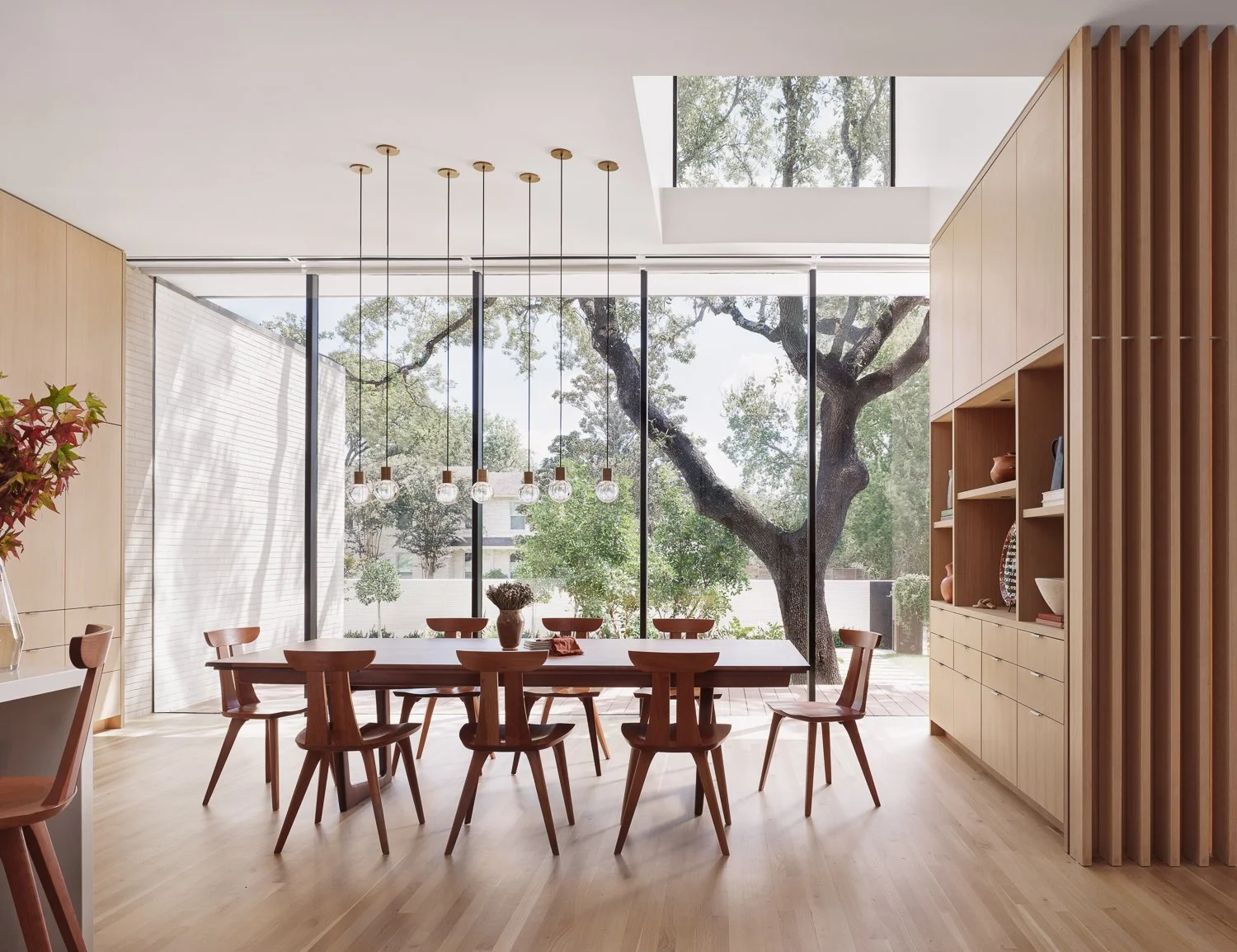
Design by Alter Studio, Photo by Casey Dunn
Before starting a successful home design project, get to know yourself. This is what separates a design that simply looks good from one that actually works for how you live. Start with a simple but important question:
What is my real design challenge? Or put another way, what problem am I actually trying to fix?
It sounds obvious, but this is where many projects go off track.

Design by Elliott Architects; Photo by Trent Bell
Diagnose Your Problem
The challenge here is to diagnose the real problem and not just respond to symptoms. We hear things like this all the time:
“I need a new kitchen. I just don’t have enough counter space to work.”
The immediate reaction is a full kitchen renovation, which is expensive and disruptive. But the real issue might be how the space is being used. Reconfiguring appliances, removing clutter, or adjusting the layout could create more usable counter space without a major overhaul. Sometimes the fix is as simple as relocating small appliances. (Moving a toaster oven is free.)
The same thinking applies throughout the house. Feeling like you need more square footage? The issue may be storage or layout, not size.
Think you need an addition for a home office? There may already be underused space that can be reworked.
The goal is to pause before jumping to solutions and clearly define the real challenge. Once you understand that, the design process becomes much more focused, and often more efficient.
Because the best results don’t start with “what should we build?” They start with “what’s not working, and why?”
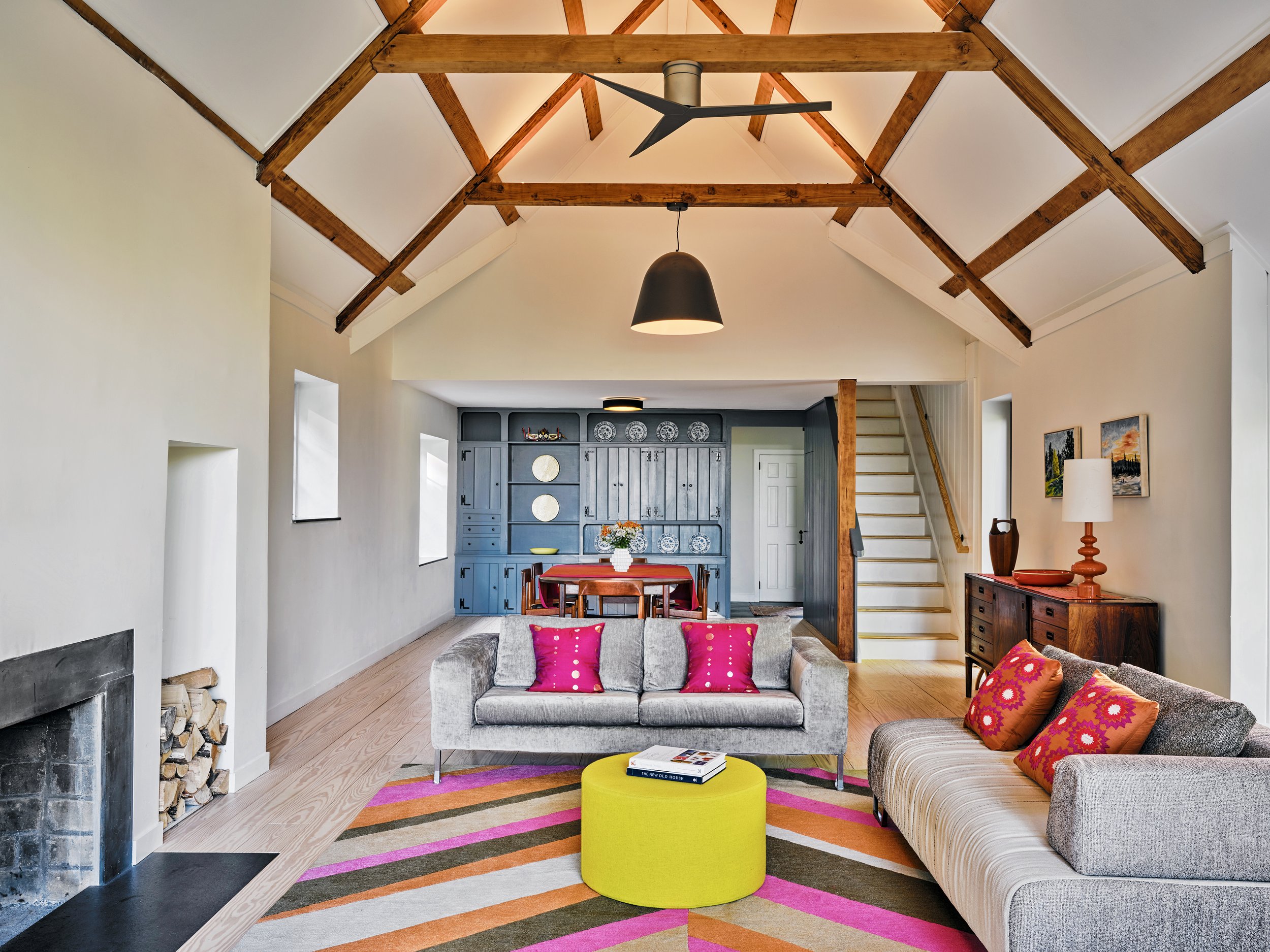
Design by Sarah Jefferys Design; Photo by Morten Smidt
Discover Your Style
You’ll also need a clear answer to a second question: What is my design style? Or simply, what should this look like?
This is where the “Your” in Your Modern Cottage really matters.
Figuring out your own design aesthetic isn’t as easy as it sounds. Most people have a mix of influences. There are things they like, things they think they should like, and ideas pulled from social media that don’t always work together. That’s why our designers spend the first part of every project getting to know our clients. We call it Discovery.
And it’s something you need to do, too.
Start by paying attention to what you’re consistently drawn to. Not just individual images, but patterns. Think materials, colors, layouts, and how spaces feel. Do you prefer clean and minimal, or warm and layered? Do you like open, airy spaces, or something more defined and cozy?
The goal isn’t to label your style. It’s to understand it well enough to make decisions with confidence. Because once you know what you’re aiming for, everything from layout to finishes becomes a lot easier and far more cohesive.
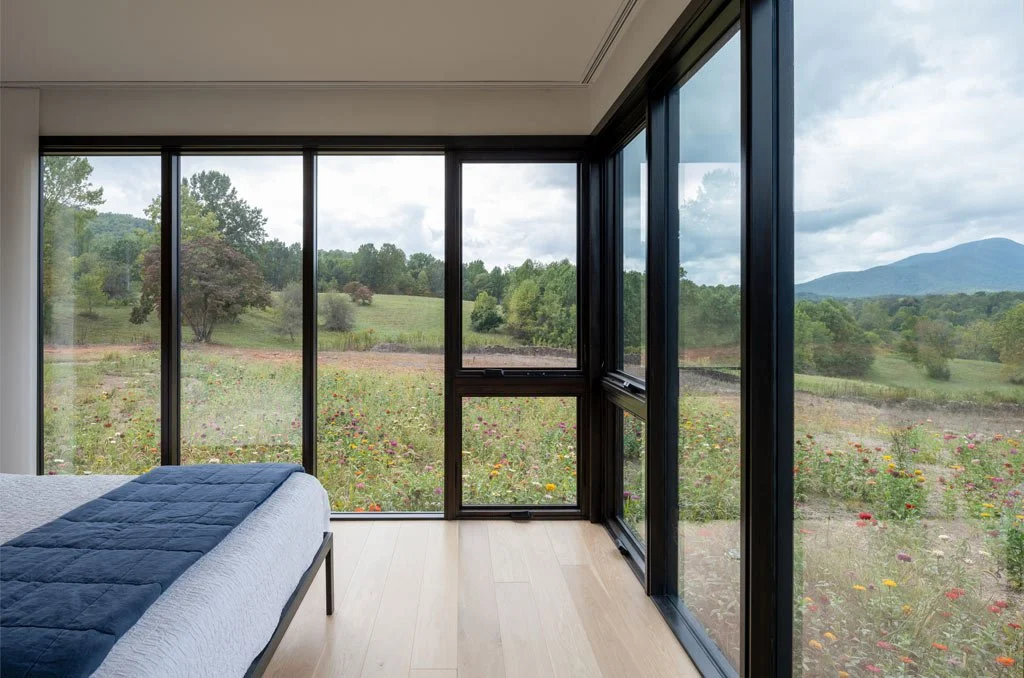
Design by Gardner Architects; Photo by John Cole
Home Design Project Tip
Start by spending time on platforms like Houzz, Pinterest, and Instagram. These are full of real projects and ideas you can learn from.

Design by DeForest Architects; Photo by John Granen
As you scroll, don’t just save what looks good in the moment. Pay attention to patterns. Over time, you’ll start to notice common threads like similar materials, colors, layouts, or even how spaces feel. Those patterns are the foundation of your Design DNA.
Once you can clearly see those patterns, you’re in a much better position to make decisions and stay on track. Without that clarity, it’s easy to get pulled in too many directions.
Starting a design project should be exciting, but it can quickly become overwhelming if you’re not grounded in what you actually want. A good way to stay focused is to keep coming back to this question:
What is the best way to solve my functionality issue, while doing it in a style that feels like me?
If you want a sounding board as you work through your ideas, join YMC’s Facebook Group: Your New Home Build Roadmap. You’ll get feedback from YMC’s very own architect, Rick Staub, along with input from others going through the same process.
