

Does Your Floor Plan Work for You?
How to tell if a floorplan will really work for your lifestyle?
When you’re searching for a new home—or sketching out your dream one—it’s tempting to start with the stats: three bedrooms, two baths, maybe 2,600 square feet. But those numbers don’t tell you how a house will live. The real test is whether the floor plan supports your daily life, feels comfortable, and adapts over time.
Here are six things worth paying attention to when you’re evaluating a plan:
1. Spaces That Work Together
The best homes don’t just stack rooms next to each other—they create relationships between spaces. A kitchen that opens to dining and living should feel connected but not chaotic. Thoughtful details—like ceiling changes or built-ins—help define zones without walls. A good sign is when you can cook and still feel part of the conversation, without being stuck in the middle of the noise.
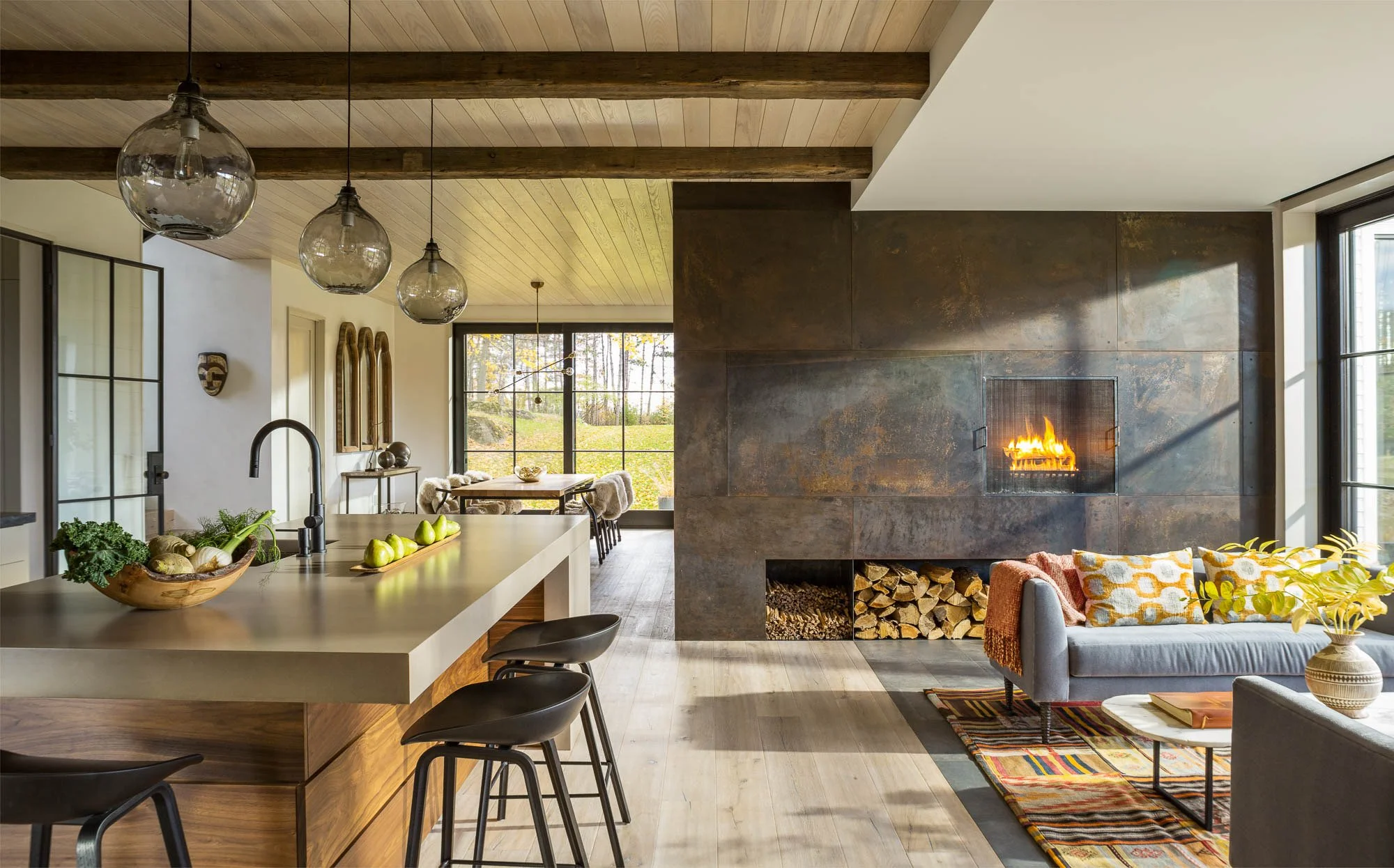
This fireplace isn’t just cozy—it’s a focal point that shapes the flow. Notice how it marks the shift from kitchen to living and dining, while keeping conversation open across all three spaces. Architect:: Joan Heaton Architects Builder: Silver Maple Construction; Interior Design: Stoneledge Farm + Home; Photo: Westphalen Photography
2. Flow That Feels Effortless
Good circulation is almost invisible—you only notice it when it’s wrong. Look for direct paths between the garage and kitchen, or between bedrooms and bathrooms. Avoid long, wasted hallways or awkward bottlenecks. If you can picture carrying groceries inside without zig-zagging through doors or furniture, you’re on the right track.

Circulation tells the story of how you’ll actually live in a home. A quick test: draw your daily routes on the plan. Garage to kitchen, bedroom to bath. If the lines feel effortless, the flow will too.
3. Storage That Works Where You Need It
Storage isn’t just about having enough—it’s about having it in the right places. A mudroom near the entry, a pantry that actually holds more than a few shelves, and linen storage close to bedrooms make daily life smoother. The smartest layouts put storage right where the clutter usually lands, so things disappear easily without effort.
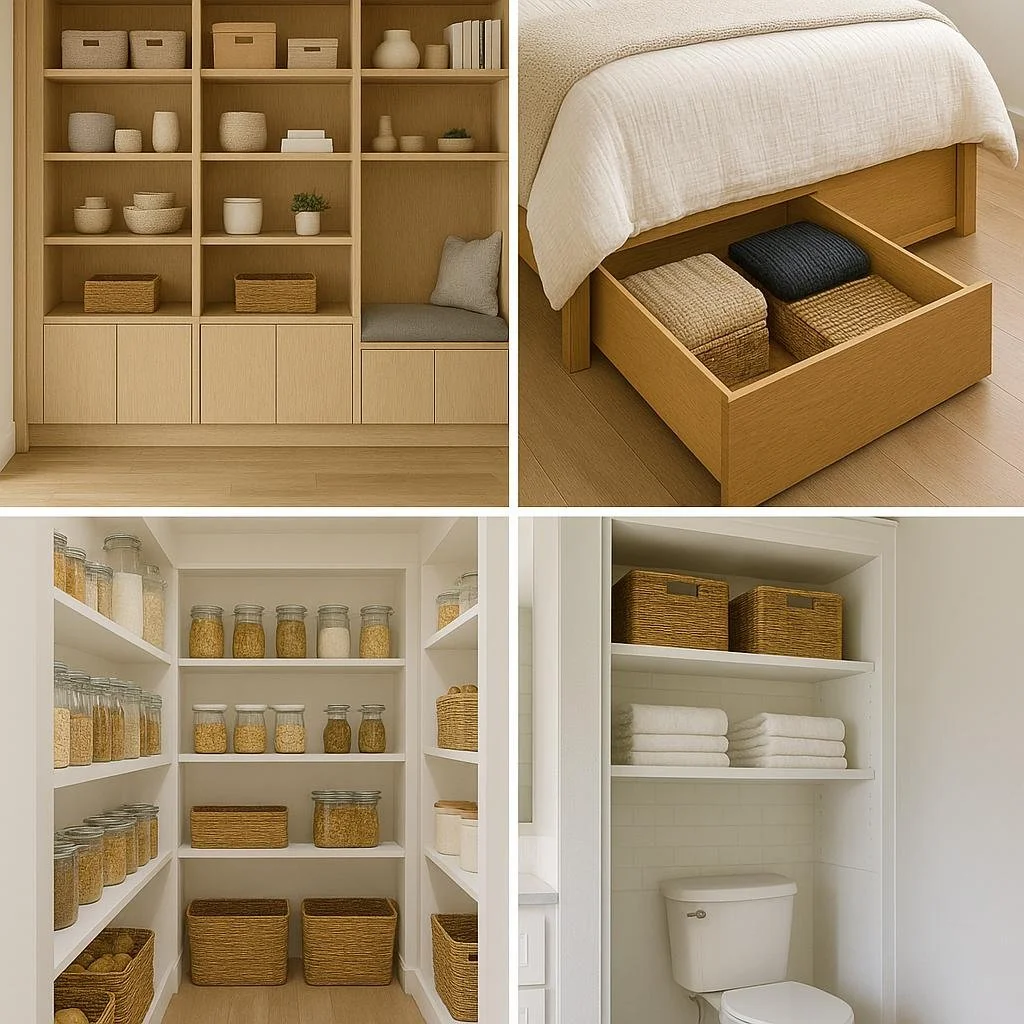
Smart storage is all about location. From a walk-in pantry to under-bed drawers and built-ins, the best solutions keep things right where you need them—so clutter disappears without effort.
4. Real Connection to the Outdoors
A home should invite the outside in. Big windows that frame views, sliding doors that open to patios, or a covered outdoor space that’s comfortable year-round all extend your living space. If stepping outside feels natural, you’ll use those areas often. If it feels tacked on, chances are you won’t.

Not everyone gets mountain views—but every home has an opportunity. Frame what you do have, whether it’s a garden, a yard, or a patio, and make stepping outside feel effortless. Architect: CLB Architects; Photography: Matthew Millman
5. Balance of Togetherness and Privacy
Homes thrive when there’s space for gathering and spots for retreat. An open living area is great, but equally important are quiet corners—like a tucked-away bedroom, office, or media room—that give you privacy when you need it. Pay attention to how quiet and noisy spaces interact; if bedrooms share walls with kitchens or playrooms, the balance may not be right.
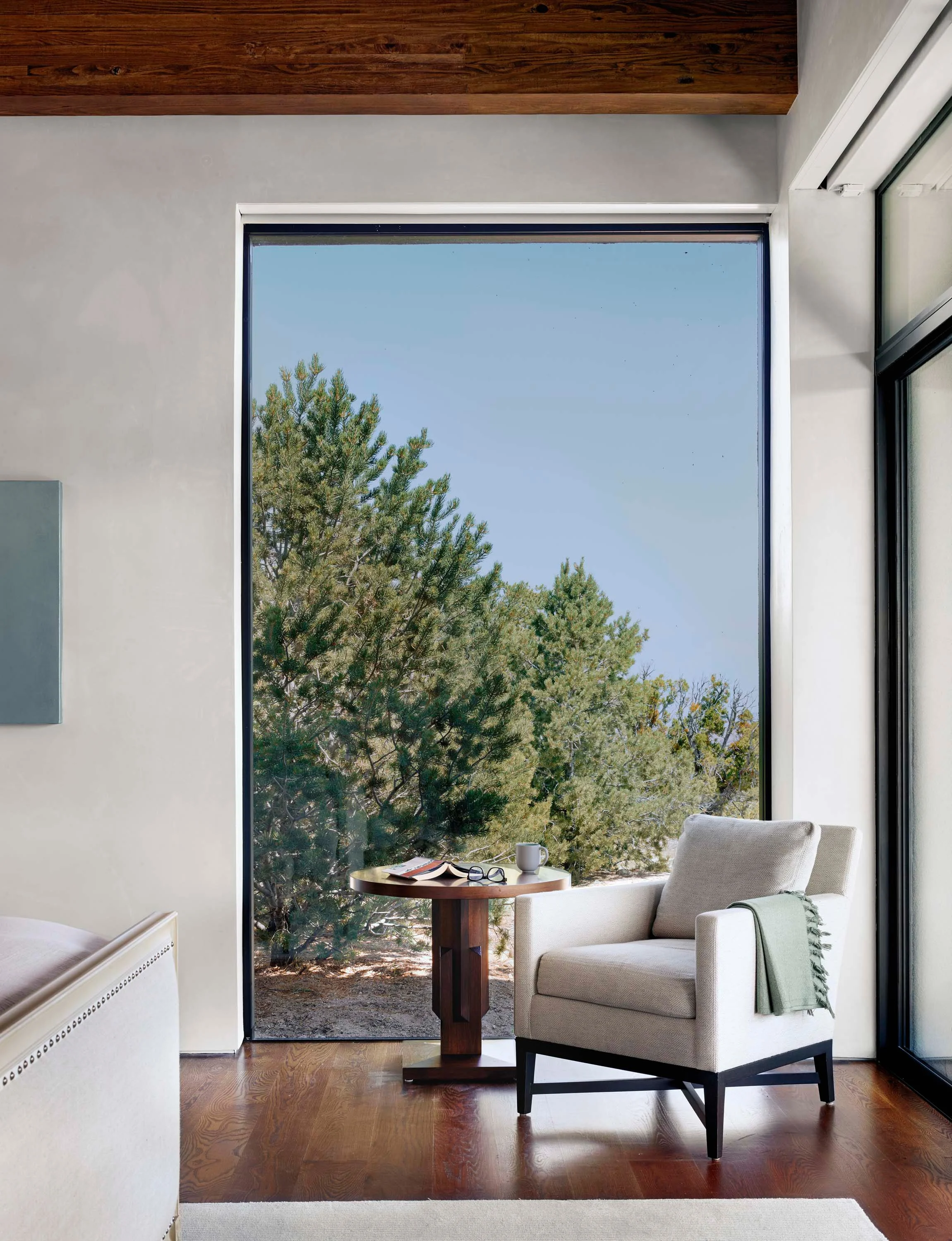
When reviewing a floor plan, look for spaces like this—a quiet corner for retreat. The best layouts balance lively gathering areas with tucked-away spots for privacy and calm. Architect: Specht Novak; Interior Design: Norine Haynes; Photography: Casey Dunn, Taggart Sorensen
6. Room to Grow with You
The smartest floor plans are flexible. Main-floor living means you won’t outgrow the house, and bonus rooms can evolve from playroom to office to guest suite. Even small moves—like wider doorways or step-free entries—make life easier in the long run. A good plan should work for you today, but also five, 10, or 20 years down the road.
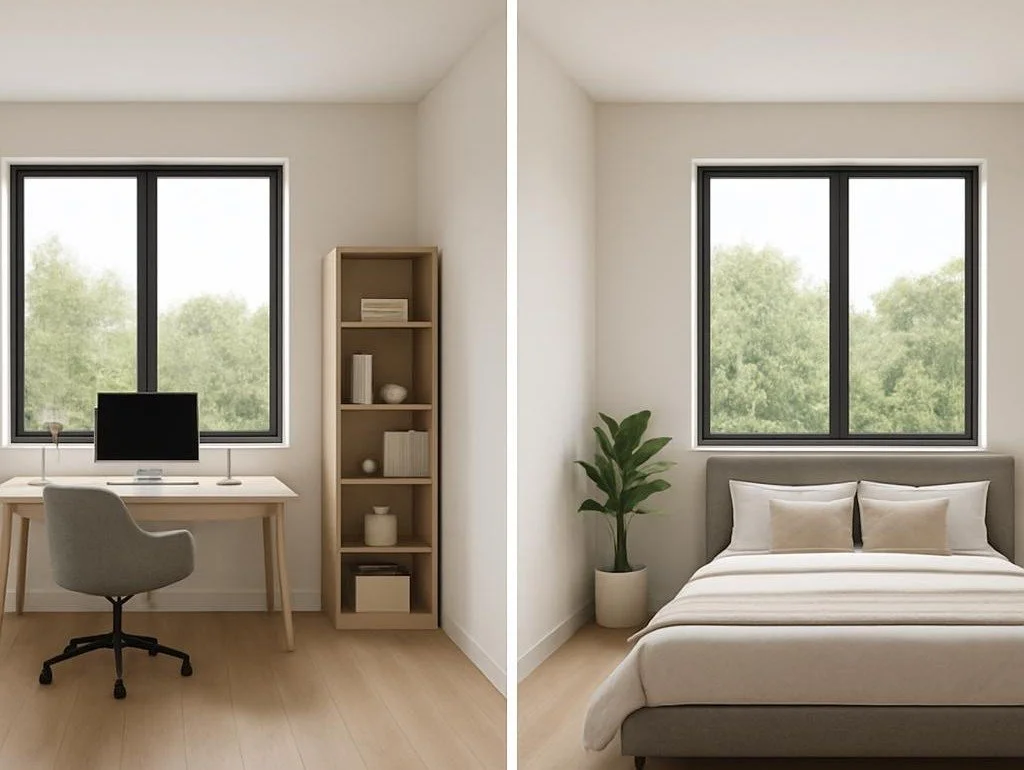
The beauty of smart design is flexibility—one room, two (or more) possibilities. A modern study transforms seamlessly into a serene master bedroom, proving that thoughtful planning makes your home adapt as your life evolves.
Final Thought
The right floor plan isn’t just about logic—it’s about how it feels when you live in it. A well-designed layout makes daily life easier, gatherings more natural, and the future less stressful.
At Your Modern Cottage, we believe a great home should look beautiful and live beautifully.
Ready to Test Your Next Floor Plan?
Before you commit to a new home or design, make sure it really fits your lifestyle. Download our free Floor Plan Fit Guide—a simple, printable checklist filled with insider tips to help you evaluate any plan with confidence.
