

Old Lawley Toll Transformation
Here’s an in-depth look at Old Lawley Toll by Amy A. Alper, Architect the winner of our 2025 Design Awards Competition in the Additions and Renovations category. To enter the competition, houses had to be specifically altered, adapted, and renovated for the families living within them. These designs transform a mundane house and turn it into something special.
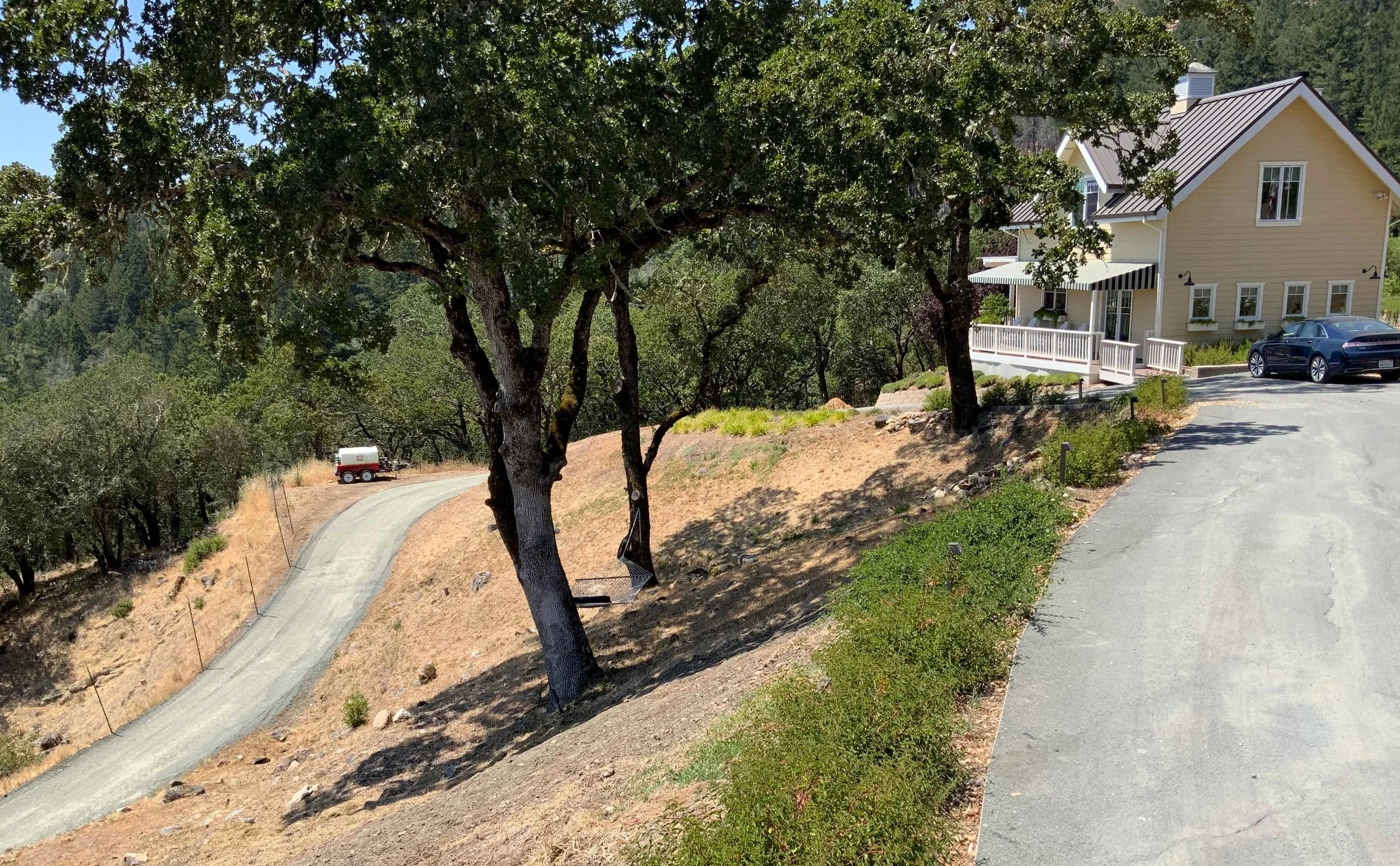
Before Image
This winning renovation is a compelling example of how thoughtful design can root a home in its natural surroundings while enhancing everyday living.
The design seamlessly integrates the home into its hillside setting, making it feel as though it has always belonged to the landscape. “It’s rare to see a renovation that settles into a site this naturally—it’s as if the house grew from the hillside,” noted one juror. Natural materials and a timeless palette further tie the home to its environment, reinforcing a strong sense of place.
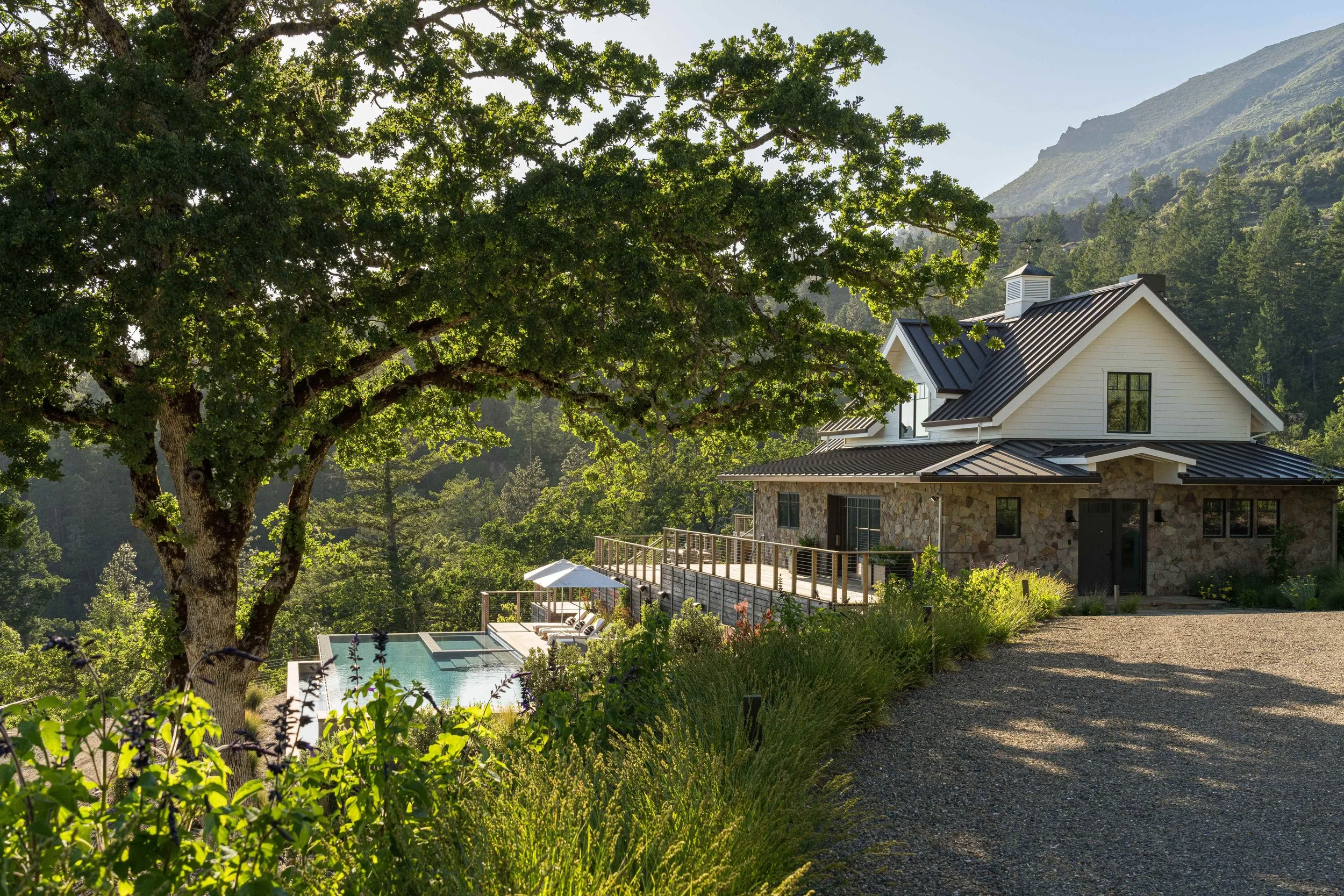
After Image
Located on the historic Old Toll Road in Calistoga, California, this wine-country site is a place of many moods. One-thousand feet above the Jericho Valley, panoramic views are ever changing with mist, fog, sun, and shadow.

Aerial View Before
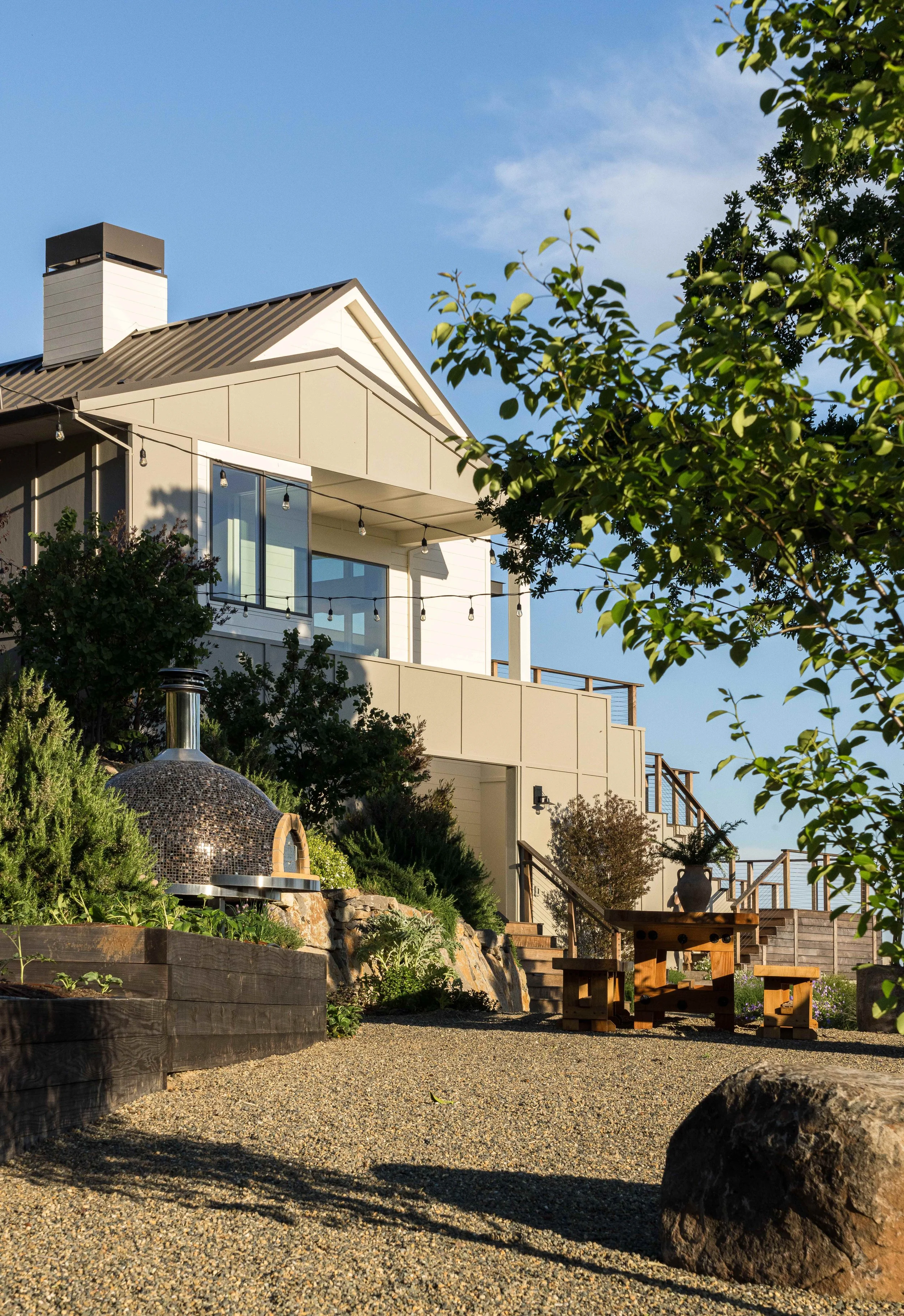
Primary Suite Addition
Despite the site’s dramatic drop in topography, the home achieves a remarkable harmony between interior and exterior spaces. Through skillful orchestration of level changes, framed views, and layered outdoor living areas, the boundaries between inside and out dissolve. “The way the home spills into the landscape—without force—is just beautiful,” one juror observed. Whether standing in the kitchen or lounging on the terrace, the outdoors is always a felt presence, creating a continuous connection to the surrounding vineyard and hills.
The 1999 purchase of the vineyard property included a cherished two-story gable-roofed cottage on 1,600 square feet. By 2020, the owners realized that the home and views had become an essential refuge in times of stress and decided to transform the existing weekender into a full-time home. Design objectives for the owners, one a wine maker and the other a yoga instructor, included:
• Expanded living spaces to host friends and family, who visit frequently
• New office, large enough to host small tastings for the couple’s wine business
• New primary suite
• New outdoor living, dining spaces, and pool patio
• Space for teaching yoga classes
• Wine storage
• Keeping materials from landfill
• Reducing building costs by incorporating the existing cottage
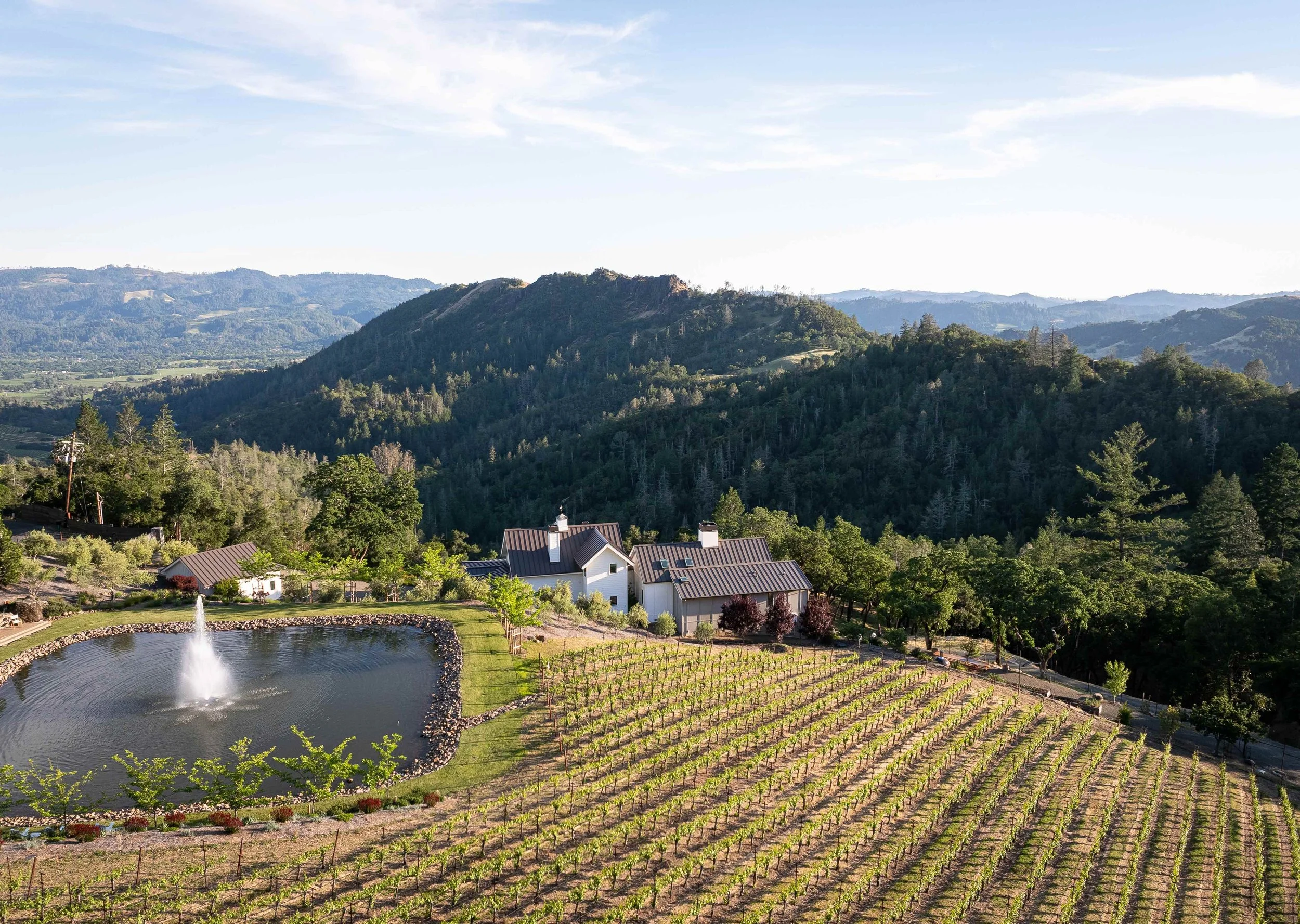
Aerial View After
Design objectives then coalesced into retaining the existing home as a set-piece, with additions to be experienced as an ensemble, and all in service of connecting to views. The first addition of 600 square feet wraps the original structure on two sides and remains more traditional.
The 1,200-square-foot second addition contrasts with a contemporary outlook, its focus on light and volume. Materials of stone, metal, shiplap and board and batt siding connect the two with a vernacular aesthetic that anchors the new home to the working vineyard and the property’s agricultural history. Sustainability measures included best practices for energy, fire resilience and low maintenance landscape were considered at the earliest stages of design.
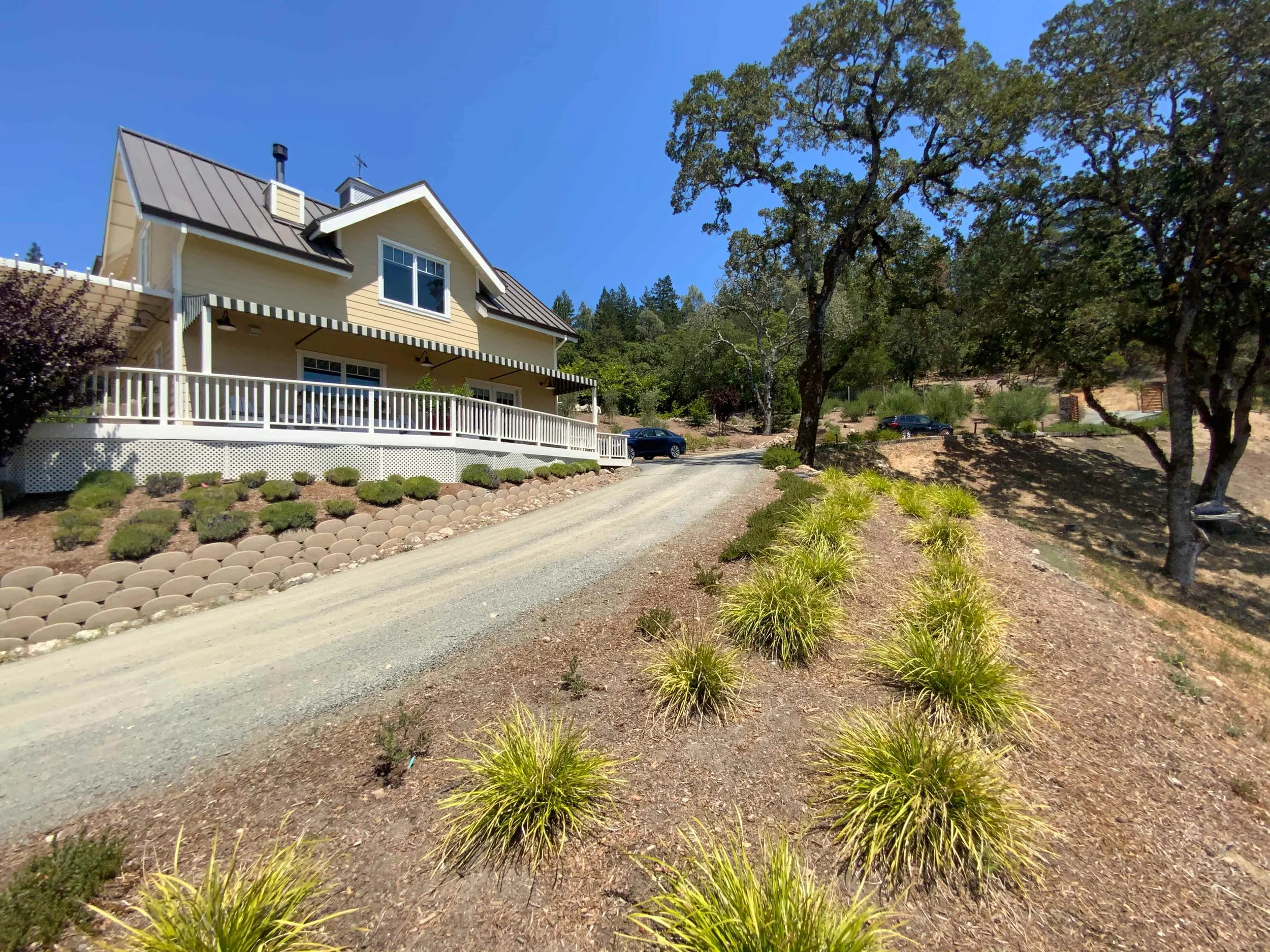
View of Side Before
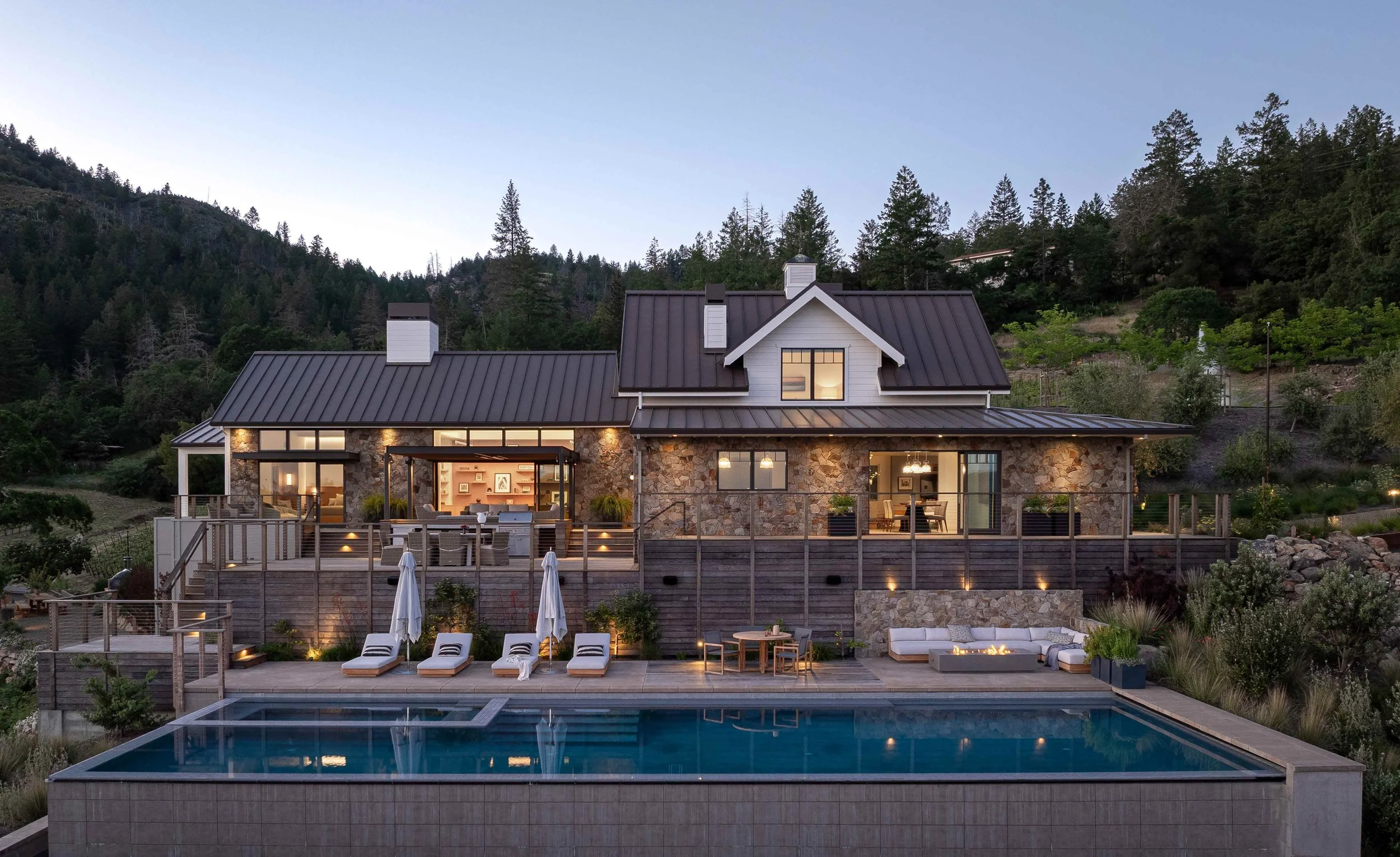
View of Side After; Transformed Existing Cottage with Wrap-Around Addition & New Primary Suite Addition
As a further nod to its history, the experience of the more modest original home presents first. The second addition is not visible upon entry to the property, instead revealed by moving through the site.
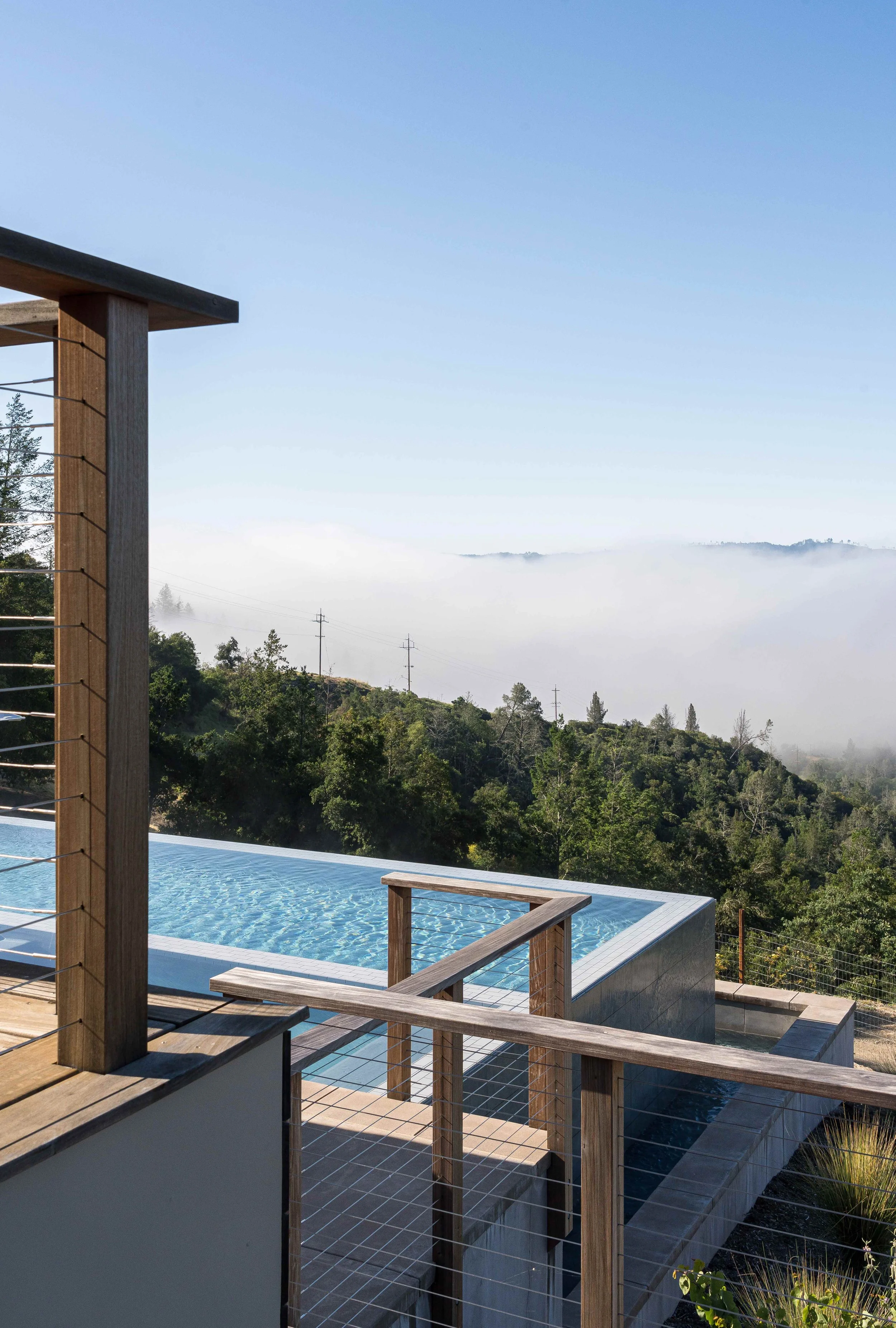
Solving the constraint of steeply pitched topography with vista views as a guide, the deck additions were tiered to cascade down the hillside and create multiple outdoor destinations. The upper deck hosts seating under a protective trellis. To avoid guardrails that would impede views, the dining area and outdoor kitchen are just steps below. The lower deck still hovered ten feet above a plateau which was quickly identified as perfect for the pool. Taking advantage of the grade which continued to drop away from the plateau, the pool’s infinity edge amplifies the drama of the view. The slope also allowed an independent entrance for a yoga room and generous wine storage befitting a vineyard known for its exceptional wines.
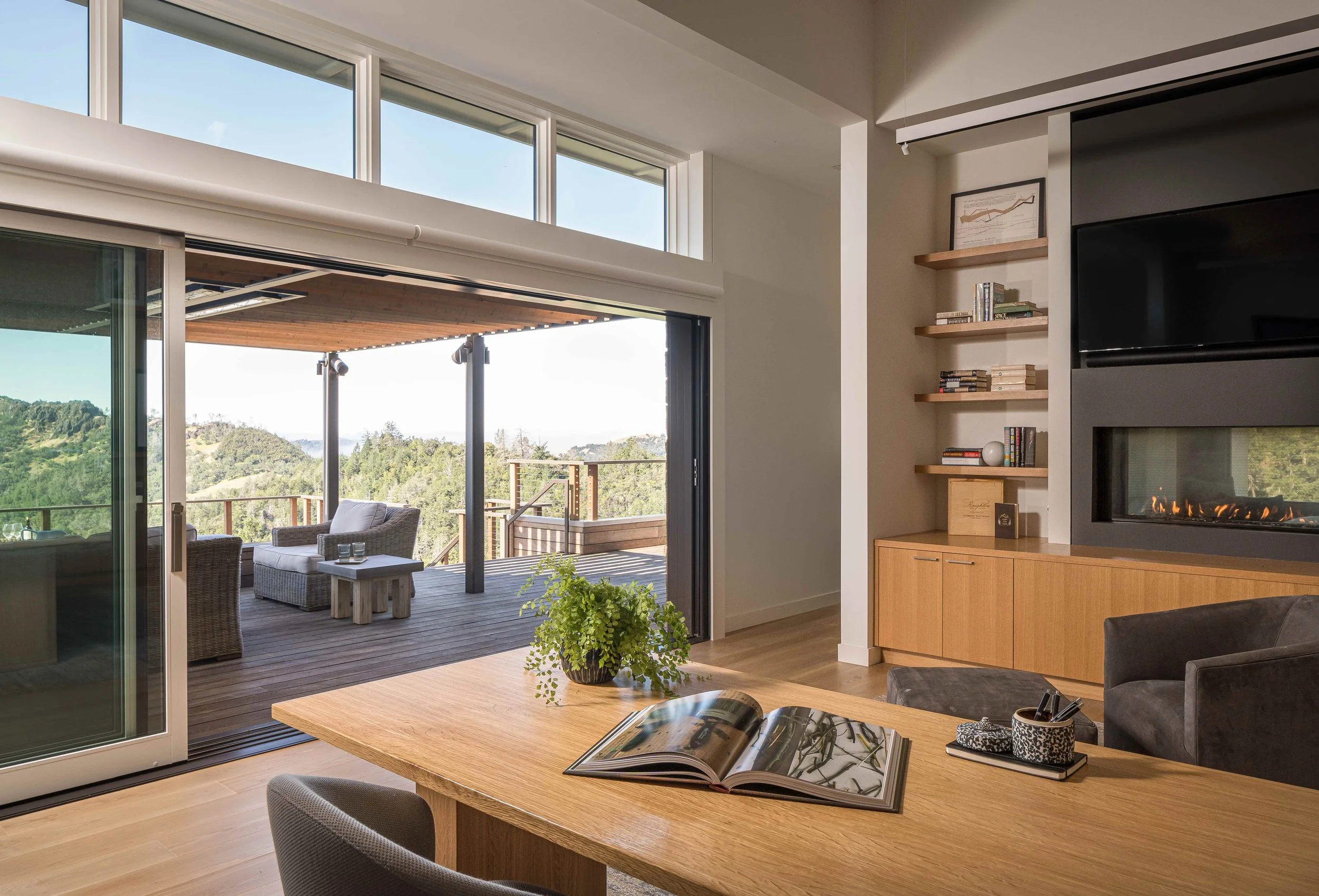
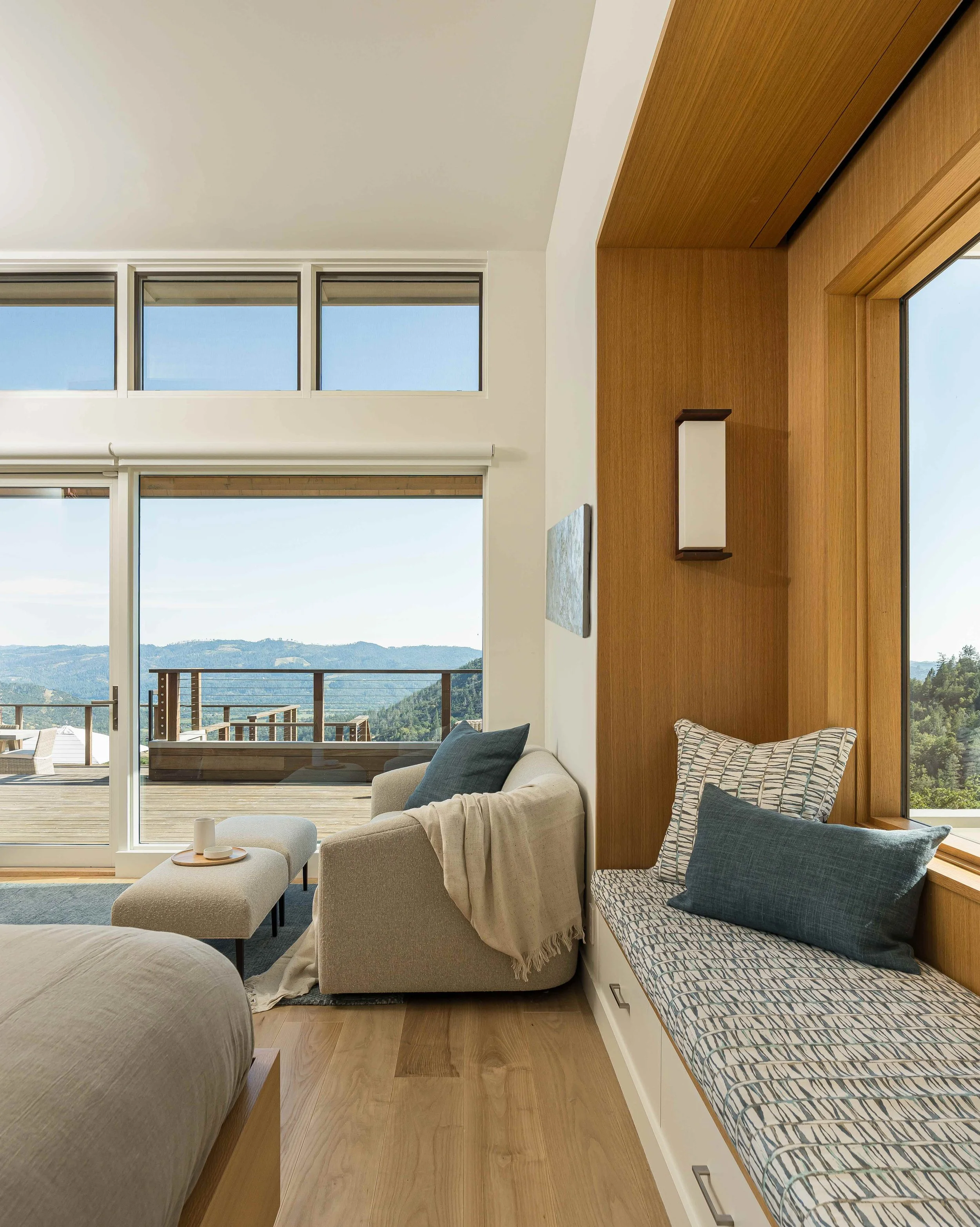
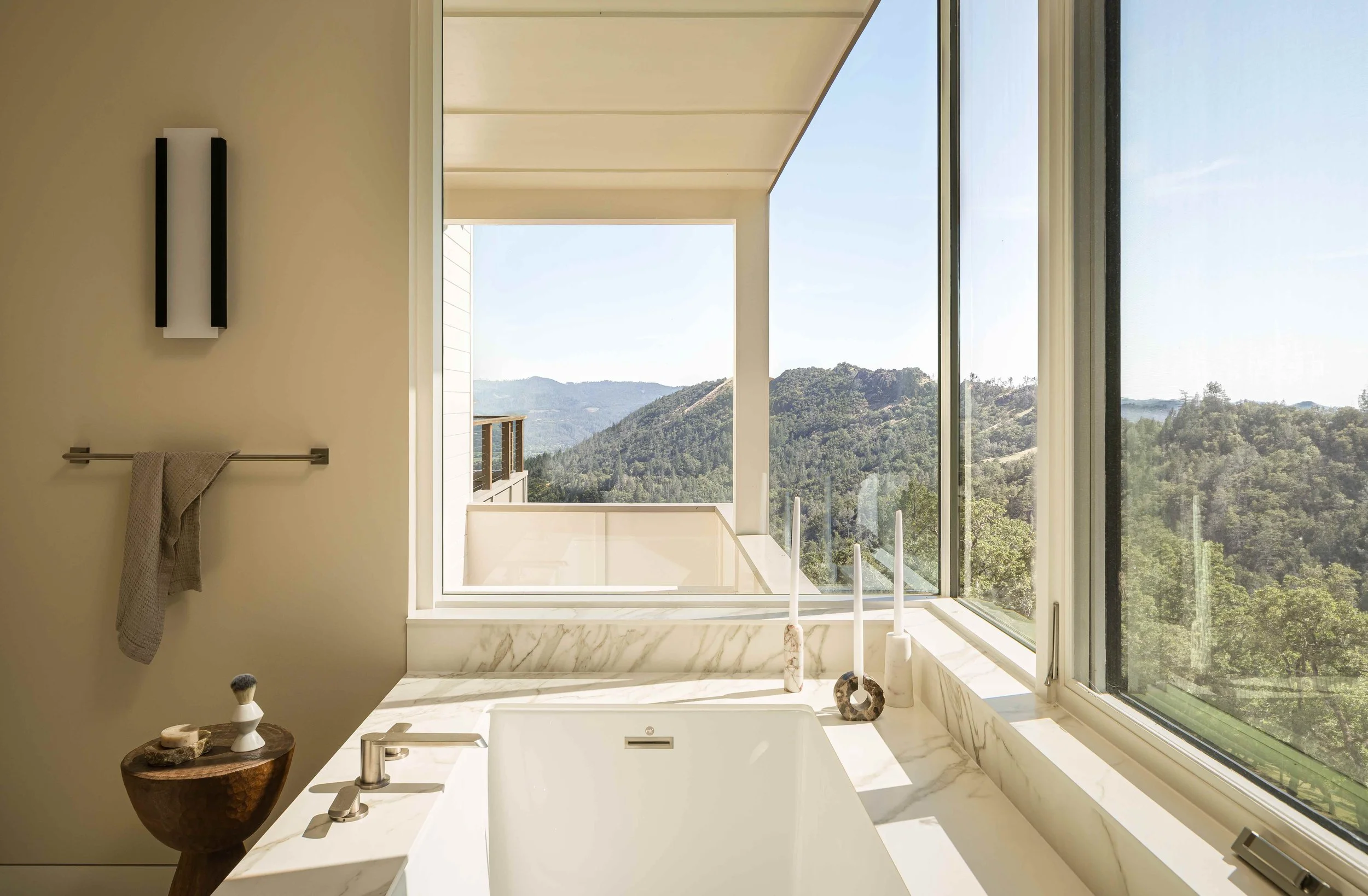
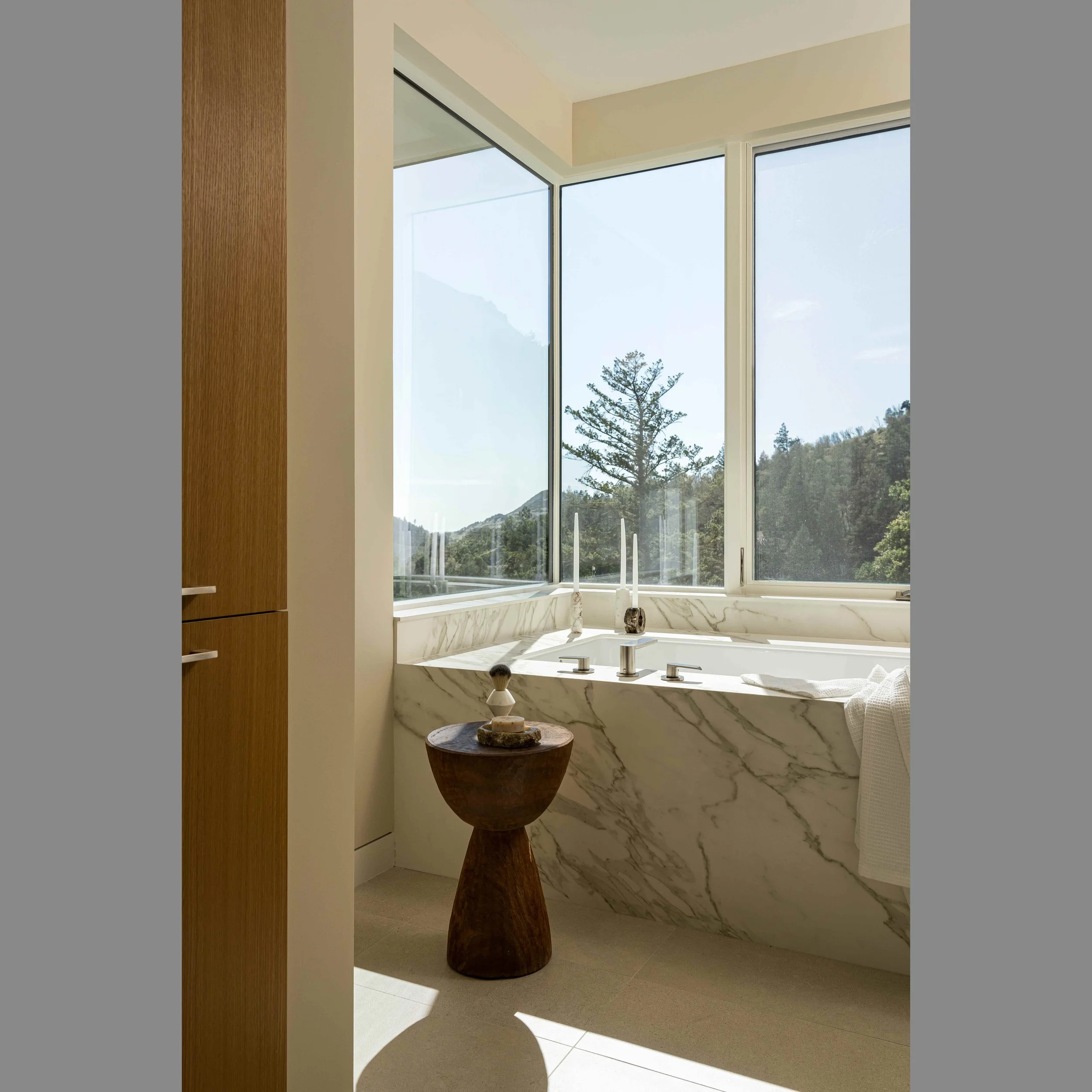
Contrast and connection describe the interiors. Dark toned walls - whether paint or tile, emphasize smaller renovated spaces contrasting with paler hued furnishings. Light toned walls bounce light through the high-volume spaces of the new. New and old share custom-designed golden rift oak millwork, both unifying each room and connecting the house as a unified whole.
Beyond its connection to the land, the home also offers meaningful moments for its owners. “From the front porch to the serene primary bath, the design creates spaces that invite pause and reflection,” said another juror. These carefully crafted experiences reflect a deep understanding of how we live—and how we want to feel at home.
Thoughtful, classic details throughout lend the house a sense of familiarity and enduring charm. From trim profiles to material choices, every element feels intentional. “It’s the kind of home that doesn’t scream for attention—it just quietly feels right,” one juror remarked. These details don’t just add style; they add soul, grounding the design in tradition while still feeling fresh and relevant.
“To have had the trust of and engaged discussions with the Owners enriched the design process,” says Alper. “Words led to sketches which led to a unique yet classic wine country residence - all in service of engaging with the panoramic views from each space of the home.”
Alper continues, “I felt this project captured the spirit of the award and was so pleased it was seen in that way. Your Modern Cottage expands the definition of modern beyond merely an object.”
Landscape: Arterra Landscape Architects
Contractor: Total Concepts
Photography: Adam Potts Photography
